Source Electric Wire Rope Coiler for Cable Manufacturing
Find and compare 30 electric wire rope coiler models from China. Evaluate specifications like voltage, weight, and capacity to select the right automatic wire coiling and bundling machine for your production needs.
Key considerations
Products List


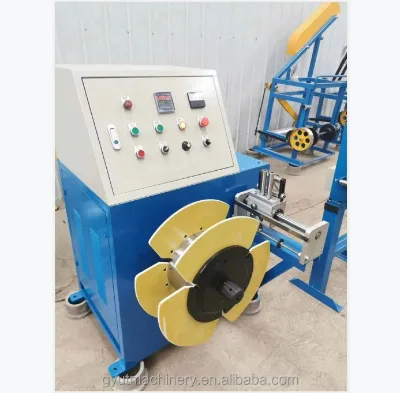
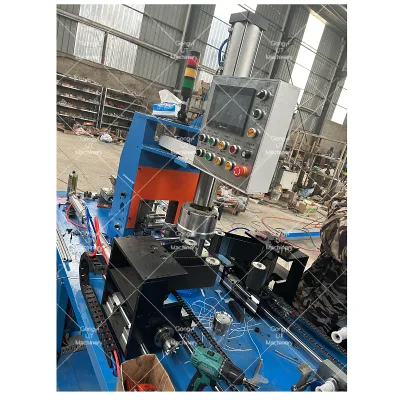
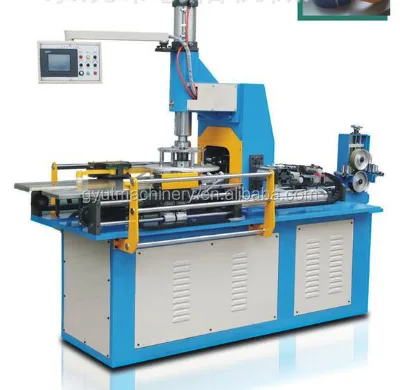


Comprehensive Sourcing Guide
Electric Wire Rope Coiler Sourcing Guide
Selecting the right electric wire rope coiler requires a careful balance of technical precision, operational efficiency, and commercial viability. These machines are essential for automating the winding, bundling, and packaging of wire, cable, and rope products, transforming labor-intensive manual processes into streamlined industrial workflows. Buyers must navigate a market characterized by diverse machine configurations, ranging from compact micro-coiling units to heavy-duty automatic systems capable of handling significant loads. The decision-making process involves evaluating not just the immediate purchase price, but also the long-term operational costs, maintenance requirements, and the supplier’s ability to provide reliable after-sales support.
This guide provides a structured approach to sourcing electric wire rope coilers, focusing on evidence-based verification steps and risk mitigation strategies. By understanding the key technical specifications, compliance requirements, and commercial terms associated with these machines, procurement professionals can make informed decisions that align with their production goals. The following sections detail the critical factors to consider, ensuring that buyers can effectively evaluate suppliers, verify product capabilities, and secure contracts that minimize operational disruption and maximize return on investment.
Product Scope and Observed Listing Signals
The market for electric wire rope coilers encompasses a wide range of machinery designed for specific winding and bundling tasks. Observed listings indicate a variety of product types, including automatic wire coiling and bundling machines, electric cable coiling machines, and micro coil winding units. These machines are typically marketed as new products, with some listings highlighting recent manufacturing years such as 2023, while others reference older models like those from 2020. The scope extends from small-scale operations handling lightweight cables to heavy-duty systems designed for large rolls, with some units featuring shaftless auto-loaders to facilitate the unwinding process. Buyers should recognize that the term "coiler" may refer to different functions, such as coiling big rolls into smaller ones or bundling finished wire products for shipment.
Listing signals reveal significant variation in machine attributes, which buyers must interpret with caution. For instance, observed weights range from lightweight units around 500 kg to heavier industrial machines weighing up to 3000 kg, reflecting differences in construction and capacity. Similarly, power ratings vary, with some machines operating at 5.5 kW, while others may require higher capacities depending on the load and speed requirements. Voltage specifications also differ, with listings showing both 220V and 380V options, necessitating careful verification of electrical infrastructure compatibility. Buyers should treat these observed attributes as starting points for inquiry rather than definitive specifications, as individual suppliers may offer customized configurations that deviate from standard listings.
Technical Specifications to Verify
Verifying technical specifications is crucial to ensuring that the selected coiler meets production requirements. Key parameters to confirm include the maximum load capacity, which can range significantly depending on the machine type, with some units supporting loads up to 6000 kg. The length of the axis and center height are also critical dimensions that affect the size of wire spools or rolls that can be processed. Buyers should request detailed dimensional data, including overall machine dimensions and single package sizes, to ensure compatibility with factory floor space and logistics constraints. Additionally, the maximum revolution speed, observed in some listings as 400 r/min, should be verified against production speed requirements to avoid bottlenecks or underutilization.
Electrical and operational specifications require thorough validation to prevent integration issues. Voltage requirements must be confirmed, as mismatches between machine specifications and facility power supply can lead to operational failures or safety hazards. Power consumption, often listed in watts or kilowatts, should be assessed in the context of energy costs and capacity planning. Furthermore, the condition of the machine, typically listed as "New," should be verified to ensure that buyers are receiving brand-new equipment rather than refurbished units. Buyers should also inquire about the customization options available, as many suppliers offer tailored solutions to meet specific winding patterns, tension control needs, or automation levels.
Compliance and Safety Documentation
Compliance with international and regional safety standards is non-negotiable when sourcing industrial machinery. Buyers must verify that the electric wire rope coiler meets relevant electrical safety standards, such as CE marking for European markets or other applicable regional certifications. While some listings mention ISO9001, this refers to the supplier’s quality management system rather than the product itself, so buyers should request specific product compliance certificates. Documentation should include detailed electrical schematics, safety interlock descriptions, and emergency stop procedures to ensure that the machine can be operated safely by personnel.
Safety features should be explicitly confirmed in the product specifications. Buyers should inquire about the presence of protective guards, overload protection, and automatic shutdown mechanisms in case of malfunction. The warranty period, often listed as one year or 12 months, should be clearly defined in the contract, including coverage for parts and labor. Additionally, buyers should verify the availability of operation and maintenance manuals in their preferred language, as well as access to technical support. Ensuring that the supplier provides comprehensive safety documentation helps mitigate risks associated with workplace accidents and regulatory non-compliance.
Cost Drivers and Commercial Terms
Understanding the cost drivers associated with electric wire rope coilers is essential for accurate budgeting and negotiation. The price range for these machines can vary widely, from affordable units for small-scale operations to high-cost automated systems for large-scale production. Factors influencing cost include the machine’s capacity, automation level, power requirements, and customization options. Buyers should request detailed quotations that break down the cost of the machine, shipping, insurance, and any additional fees, such as installation or training services. Minimum order quantities (MOQ) may also impact pricing, with some suppliers offering discounts for bulk purchases.
Commercial terms should be carefully negotiated to protect the buyer’s interests. Payment terms, such as letters of credit or advance payments, should be aligned with the supplier’s reputation and the transaction value. Delivery terms, including Incoterms, should be specified to clarify responsibilities for shipping and customs clearance. Buyers should also inquire about lead times, as production and delivery schedules can vary based on machine complexity and supplier capacity. Additionally, the availability of after-sales service, such as 24-hour online support, should be considered as part of the total cost of ownership, as it can significantly reduce downtime and maintenance expenses.
Supplier Qualification and Quality Control
Supplier qualification is a critical step in ensuring the reliability and quality of the electric wire rope coiler. Buyers should verify the supplier’s manufacturing capabilities, including their production facilities, quality control processes, and experience in the industry. Requesting references from previous clients can provide insights into the supplier’s performance and customer satisfaction levels. Additionally, buyers should inquire about the supplier’s ability to provide video outgoing inspections, which allow for remote verification of the machine’s condition and functionality before shipment. This step helps mitigate the risk of receiving defective or non-conforming equipment.
Quality control measures should be integrated into the procurement process to ensure that the machine meets specified standards. Buyers should request detailed inspection reports, including material certifications and assembly checks, to verify the quality of components and construction. If possible, conducting a pre-shipment inspection at the supplier’s facility can provide additional assurance of product quality. Buyers should also establish clear acceptance criteria in the contract, including performance tests and operational checks, to ensure that the machine meets all requirements before final payment is released.
Long-Term Procurement Checks
Long-term procurement success depends on establishing a sustainable relationship with the supplier and ensuring ongoing support for the electric wire rope coiler. Buyers should verify the availability of spare parts and consumables, as well as the supplier’s ability to provide timely replacements in case of breakdowns. Access to technical support, including remote diagnostics and on-site service, should be confirmed to minimize downtime and maintain production efficiency. Additionally, buyers should inquire about the supplier’s policy on software updates and firmware upgrades, if applicable, to ensure that the machine remains compatible with evolving production needs.
Regular performance reviews and feedback loops should be established to monitor the machine’s operational efficiency and identify areas for improvement. Buyers should track key performance indicators, such as uptime, maintenance frequency, and energy consumption, to assess the machine’s value over time. Maintaining open communication with the supplier can facilitate continuous improvement and address any emerging issues promptly. By prioritizing long-term partnership and support, buyers can maximize the lifespan and productivity of their electric wire rope coiler investment.
FAQs
What is the maximum load capacity of the electric wire rope coiler?
The machine supports a maximum load of 6000 Kg. This capacity ensures it handles heavy wire bundles efficiently while maintaining stability during the coiling process for industrial applications.
Can the electric wire rope coiler be customized for specific needs?
Yes, customization is available for this equipment. Buyers can request specific modifications to fit unique production lines, ensuring the machine adapts to varying operational requirements and wire types.
What voltage options are available for the electric wire rope coiler?
The unit operates on 380V or 220V voltage options. This flexibility allows installation in different regions with varying power infrastructure standards without requiring additional transformers for basic operation.
How long is the warranty period for the electric wire rope coiler?
The product comes with a 1-year warranty coverage. This period protects against manufacturing defects and ensures reliability, with after-sales service available 24 hours online for technical support.
What is the condition of the electric wire rope coiler units?
All units are supplied in new condition. They are manufactured as new products with modern features like easy operation and video outgoing inspection to guarantee quality before shipment.
Which dimensions define the standard package size for the coiler?
Standard packaging dimensions vary, with some models measuring 450x420x700mm. Other configurations may use plywood boxes or express packing to ensure safe transport of the heavy machinery.
What is the maximum revolution speed of the electric wire rope coiler?
The machine achieves a maximum revolution speed of 400r/min. This speed allows for efficient winding of wire and cable, balancing productivity with the precision required for coiling tasks.